Empire carved in granite
Austere design, luminous knowledge, and the quiet of the sierra.
Table of Contents
Origins of El Escorial
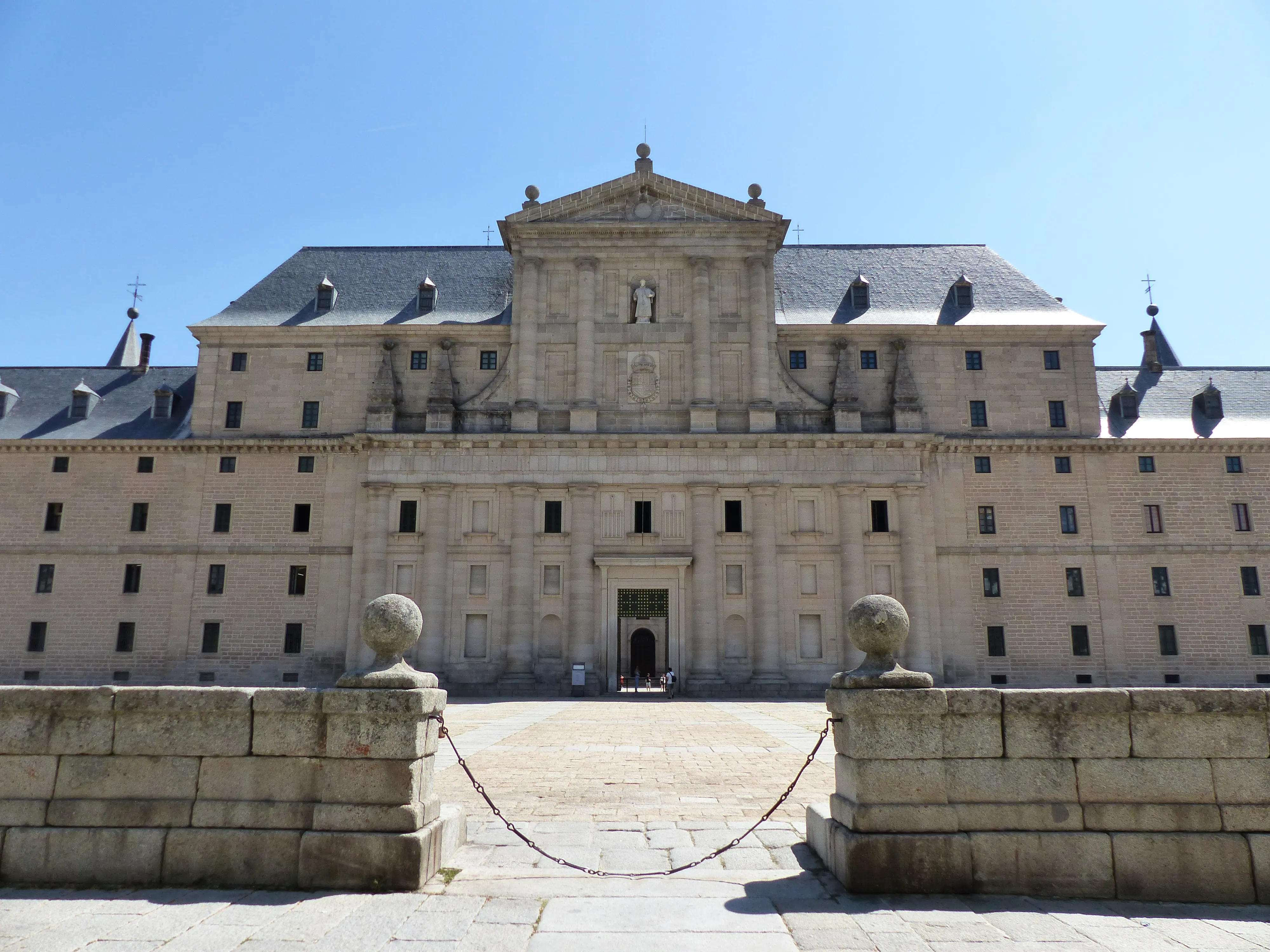
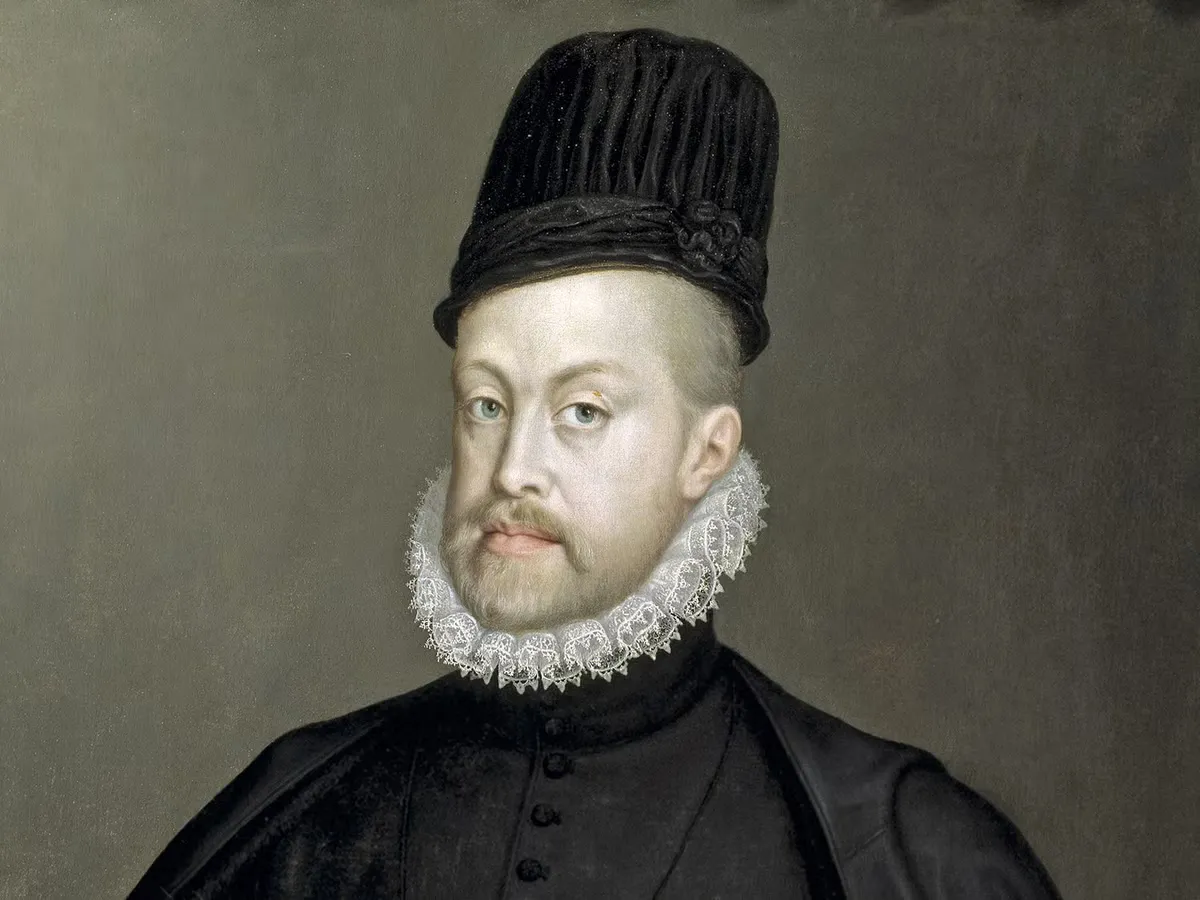
In the mid‑16th century, Philip II imagined a place where monarchy, faith, and remembrance would stand side by side. Following victory at San Quentin — fought on St. Lawrence’s day — the king vowed to honor the saint and create a royal pantheon, monastery, and palace that would serve as a sober beacon for his realm. El Escorial rose on the slopes of the Sierra de Guadarrama, its granite chosen for endurance and clarity, with the first designs guided by Juan Bautista de Toledo and later refined by Juan de Herrera. Together they translated a vision into geometry: courtyards aligned, façades stripped of ornament, and a calm order that mirrors the ambitions and anxieties of a global empire.
Legend links the plan to St. Lawrence’s gridiron, and while scholars debate symbolism, the spirit of restraint is undisputed. El Escorial became a center not only of devotion but of learning and governance — a place where the crown contemplated eternity while administering the present. Its founding entwines politics and piety, memory and authority, offering visitors a chance to walk corridors where decisions were weighed in the balance of conscience and state.
Architecture and Herrerian style
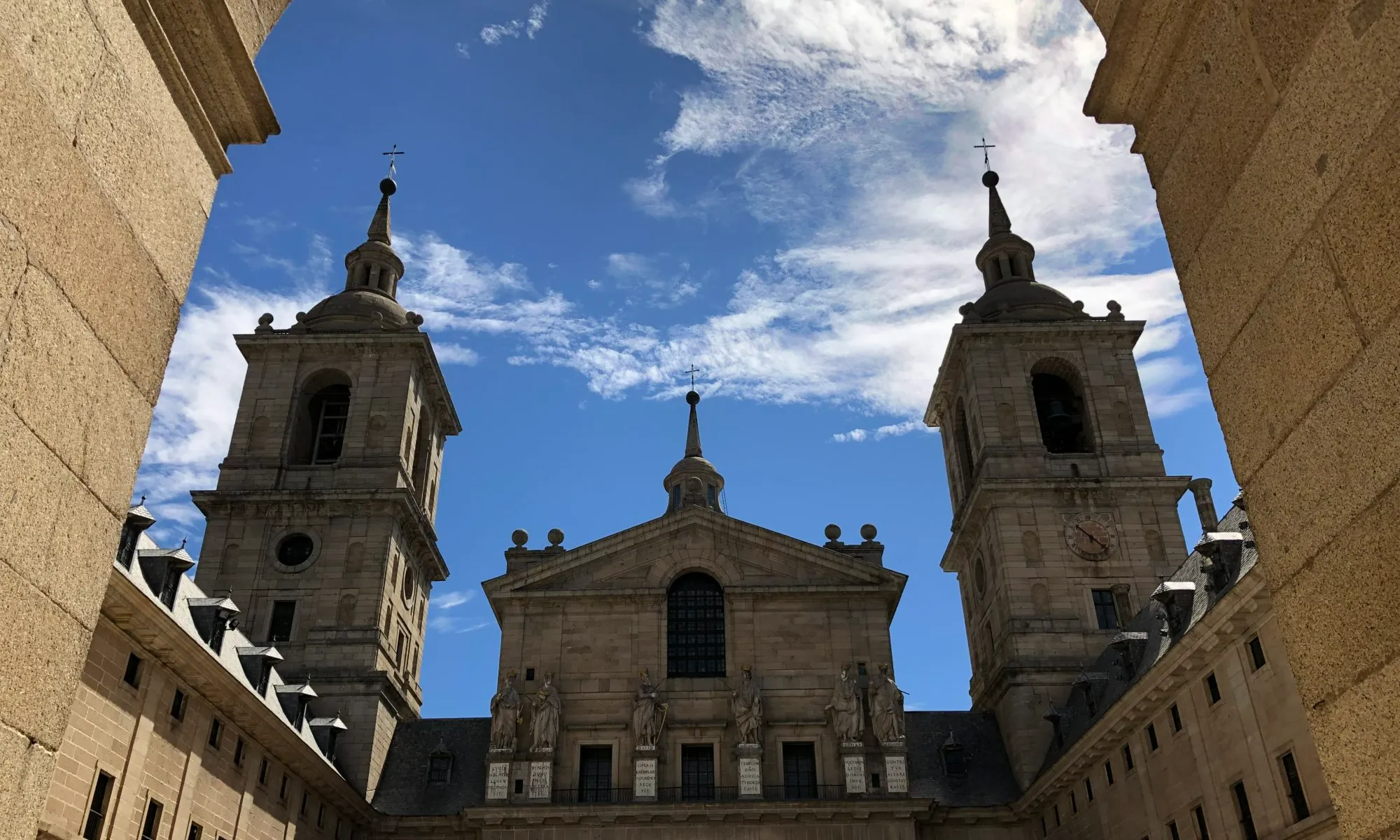
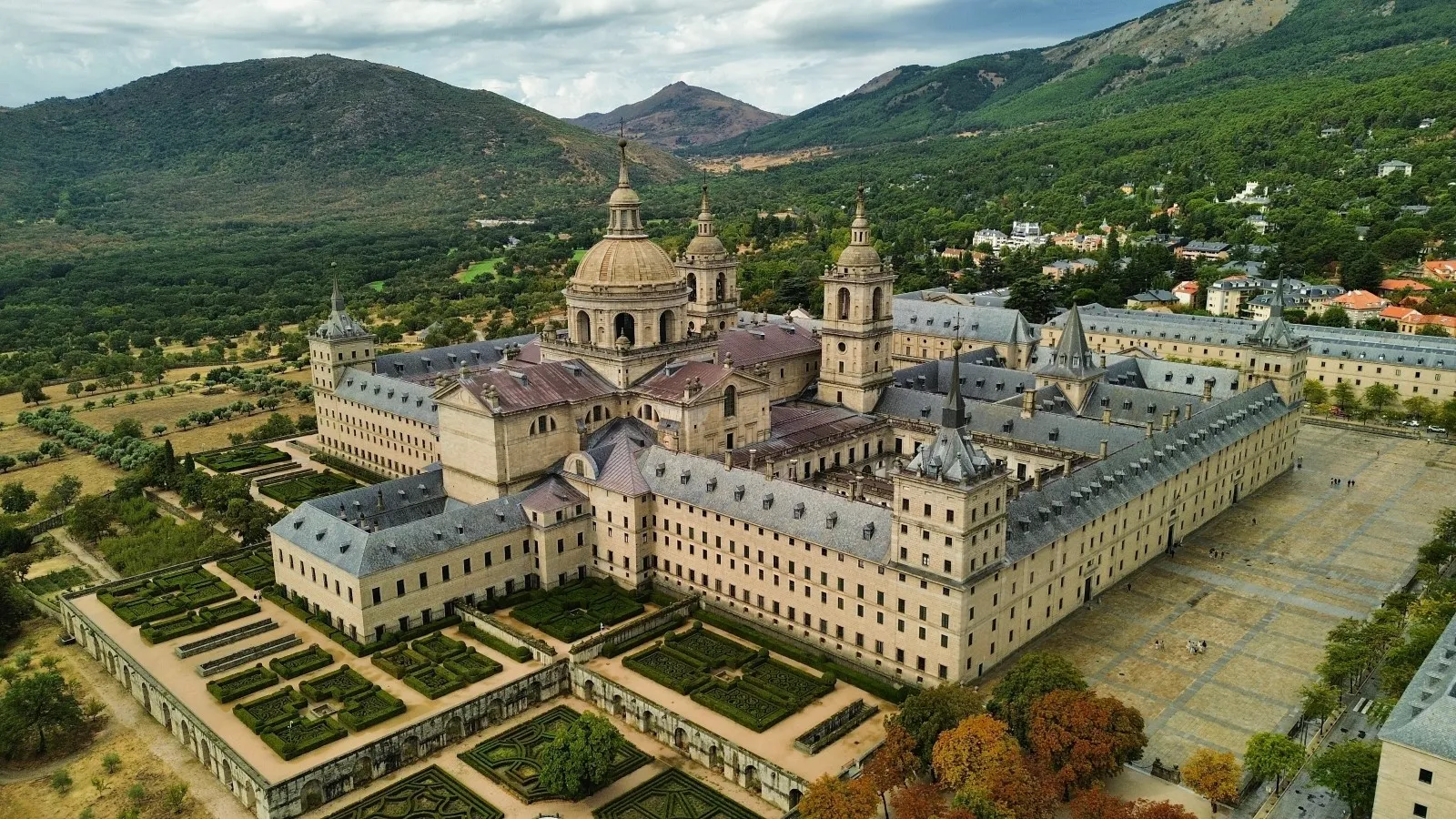
El Escorial’s architecture speaks in measured lines. The Herrerian style — named for Juan de Herrera — embraces mathematical proportion and quiet surfaces, preferring balance to flourish. Granite walls stretch with minimal ornament, pierced by rectangular windows that repeat like notes in a chant. Above, slate‑tiled spires punctuate the skyline, and the basilica’s dome gathers the complex into a single, steady heartbeat.
Courtyards organize movement and meaning: the Courtyard of the Kings, the cloisters, the sequences that lead from palace to church. Inside, long galleries temper light, and the sense of enclosure invites reflection rather than spectacle. For many, the style feels stern; for others, it’s profoundly humane — a space carved for focus, humility, and the disciplines of knowledge and prayer.
Monastic life and ritual
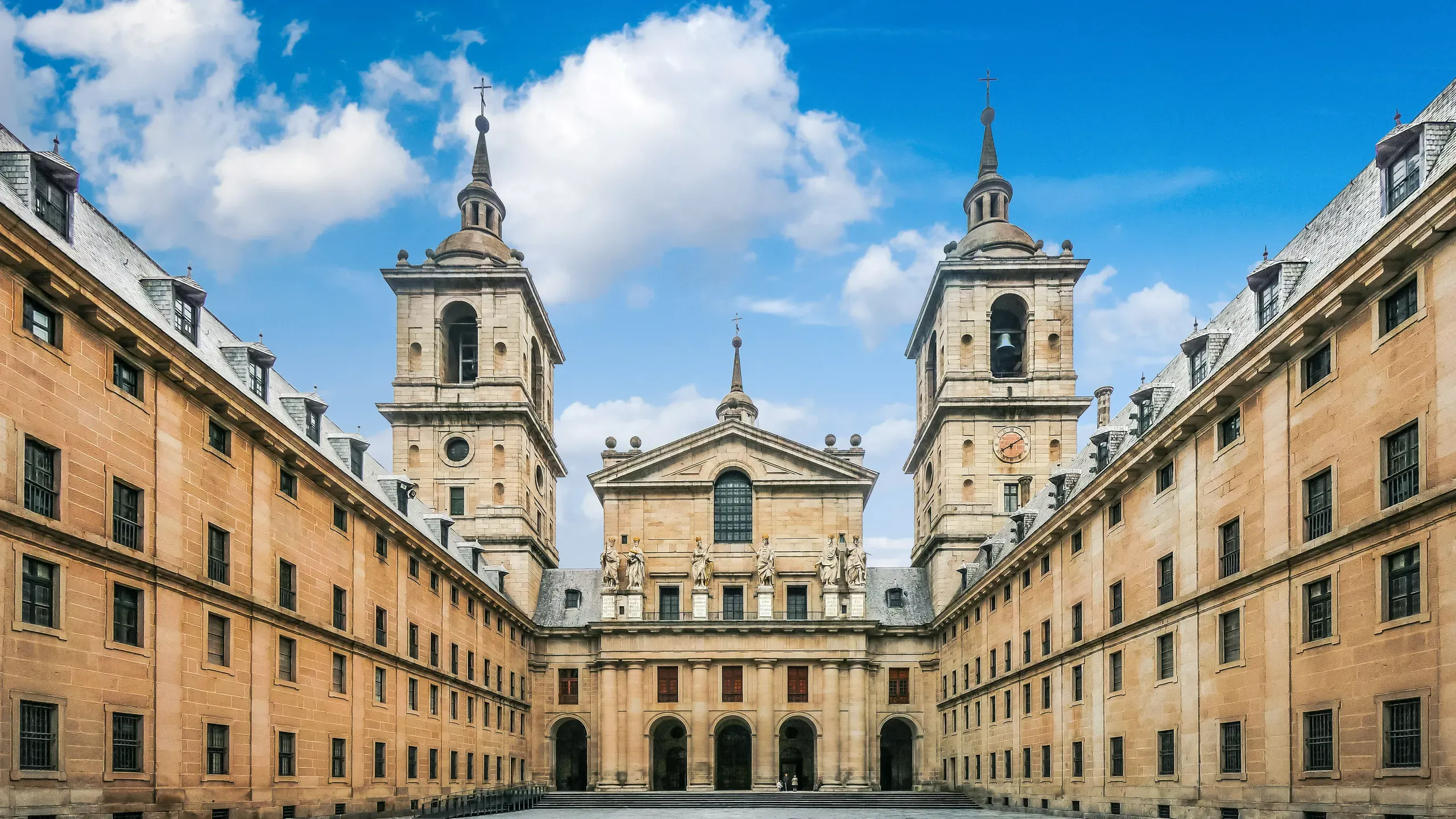
El Escorial was conceived as a working monastery — a community of prayer framed by study and service. Bells marked the hours, and the rule structured the day: matins before dawn, labor and learning across long mornings, meals shared in silence or scripture, and evenings folded back into the rhythm of the church. Royal presence did not eclipse monastic purpose; it reshaped it, asking the cloister to hold both contemplation and ceremony.
Today, visitors feel the echo of that life in the corridors and chapels, in the careful pace of tours, and in the basilica’s measured acoustics. Even when groups pass, the space restores quiet quickly, as if it remembers how to gather attention and return it to the essential: breath, light, and the steady cadence of steps on stone.
Treasures: library and art
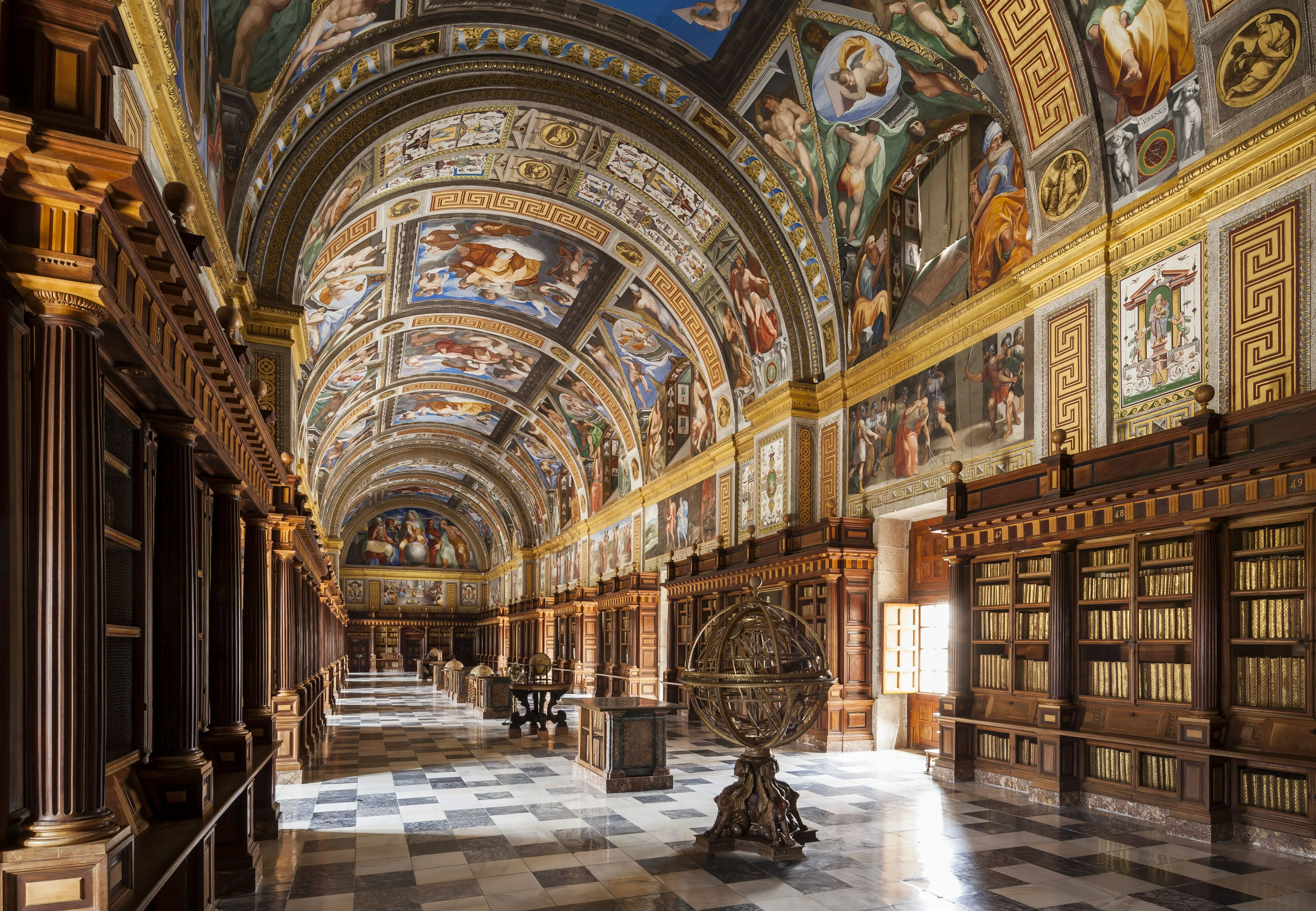
The Royal Library is El Escorial’s luminous mind. Frescoes arc overhead — philosophy, theology, music — painted to crown shelves of manuscripts gathered from across Europe and beyond. Arabic, Latin, Greek, and Spanish texts sit shoulder to shoulder, with globes and scientific instruments signaling a court that wanted to understand the world as well as govern it.
Art threads through the complex: paintings, liturgical objects, and the crafted details of doors, altars, and floors. Some works are devotional, others pedagogical; all contribute to the sense that beauty here serves clarity, guiding visitors without distraction toward the stories of kings and monks, of architects and artisans who bent materials to meaning.
Palace and basilica
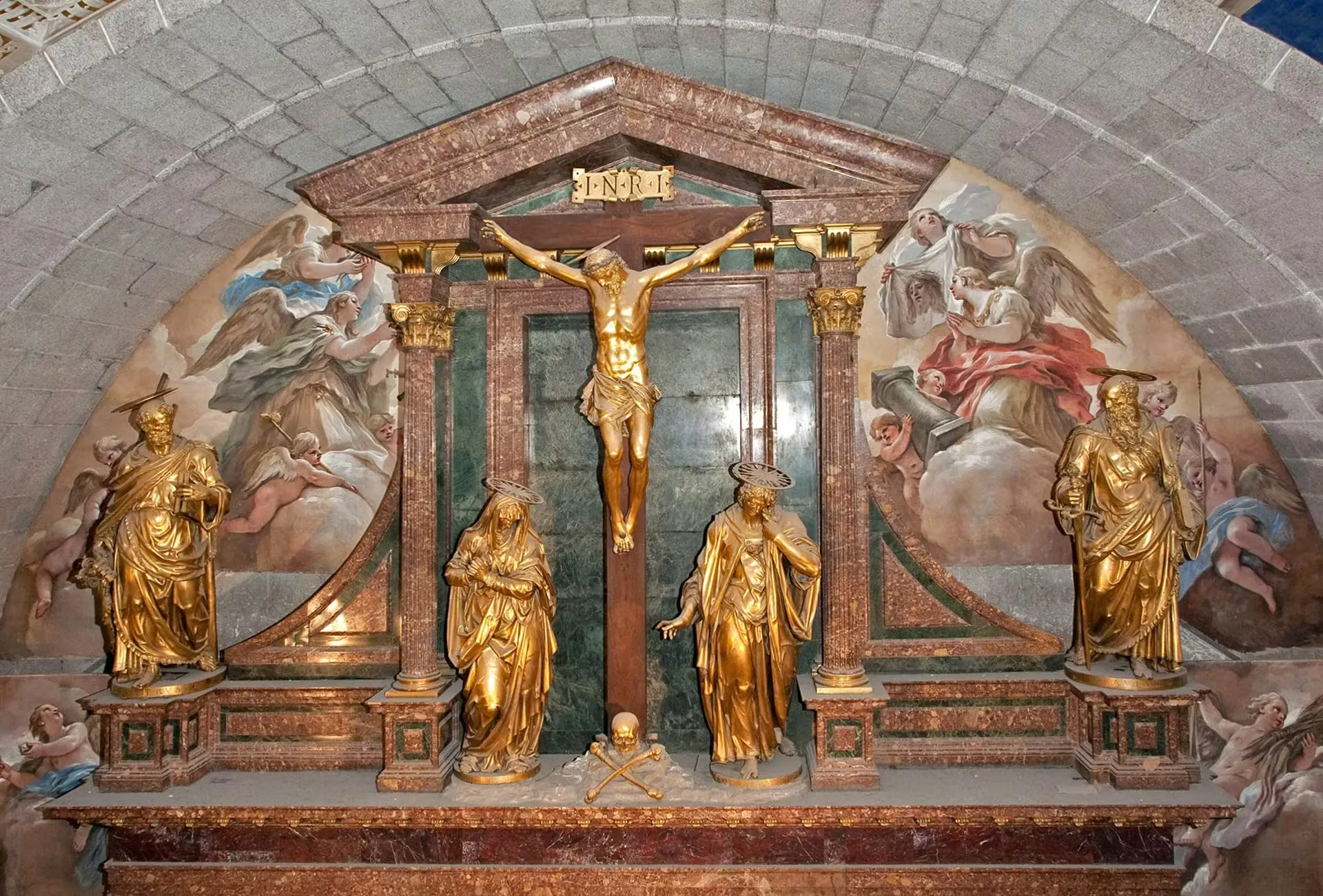
Palace rooms chart the choreography of power — receptions, councils, private studies where papers became policy. Philip II’s bedroom, with its view toward the high altar, embodies the union of governance and devotion: a monarch close to the sacrament that steadied his choices.
The basilica anchors everything. Its nave draws the eye forward, and the dome gathers it upward, offering a space designed for ceremony and silence alike. Stand still and listen: you will hear the building’s proportions speak, inviting a pace that matches the architecture’s calm.
Craft, builders, and logistics
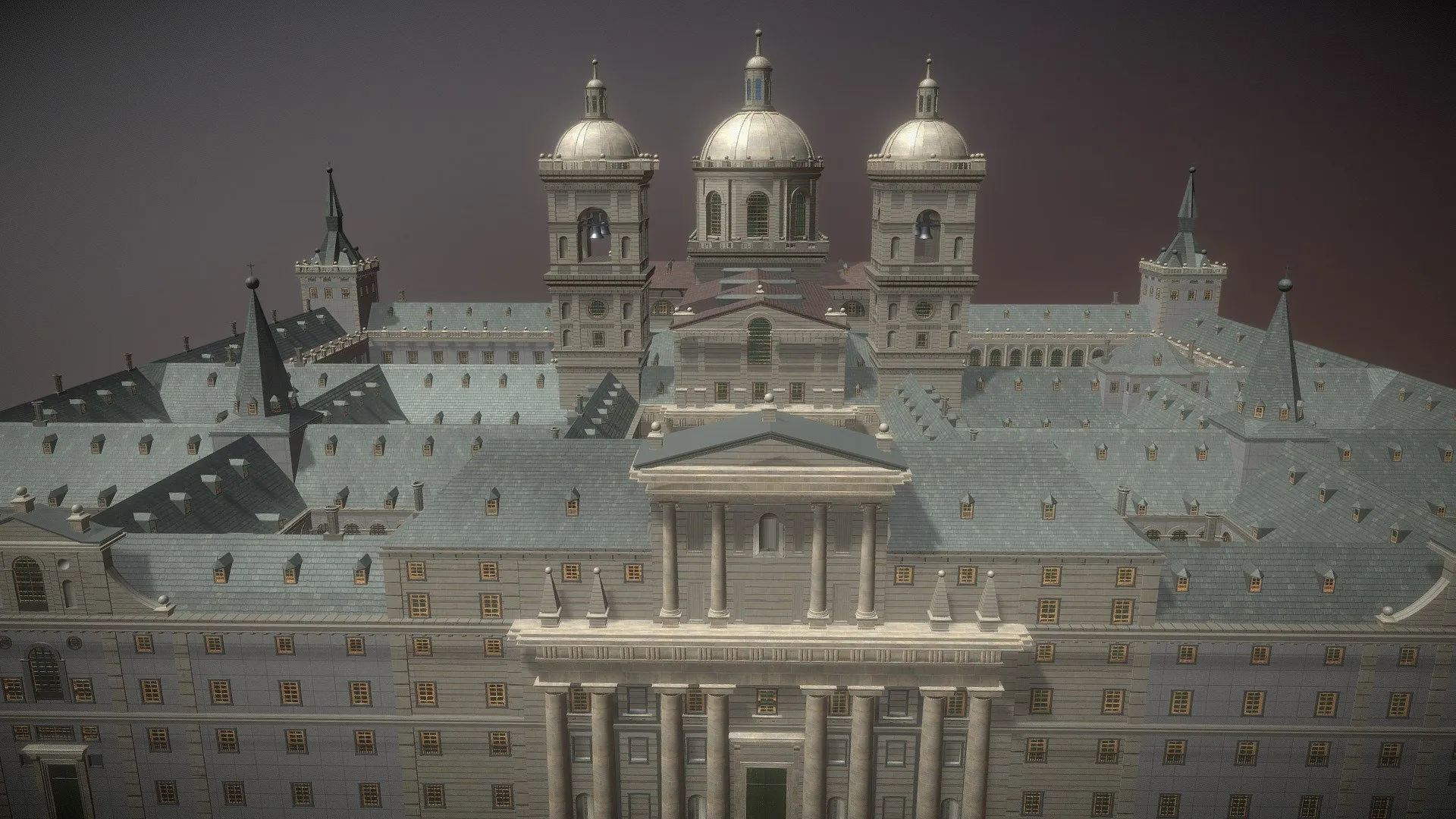
The making of El Escorial was itself an epic. Granite had to be quarried and hauled, timber cut and carried, slate set piece by piece on steep roofs. Architects modeled flows of people and sound, while stonemasons tuned joints until walls became instruments for light.
Craft here is invisible by design. The more precise the work, the calmer the experience: doors that swing without complaint, floors that guide steps, windows that soften the sun into study. The logistics of building a small city created the conditions for a large quiet — the monument’s most generous gift.
Travel routes and the sierra
Renfe Cercanías trains link Madrid’s core stations with El Escorial in under an hour, while Moncloa buses climb steadily toward the town’s granite streets. The final walk ushers you through cafés and small shops before the monastery appears like a horizon of stone.
Beyond the complex, trails and viewpoints — including the famed Silla de Felipe II — frame the monastery against the Sierra de Guadarrama. It’s worth pausing after your visit to see how landscape and architecture converse.
Safety & accessibility
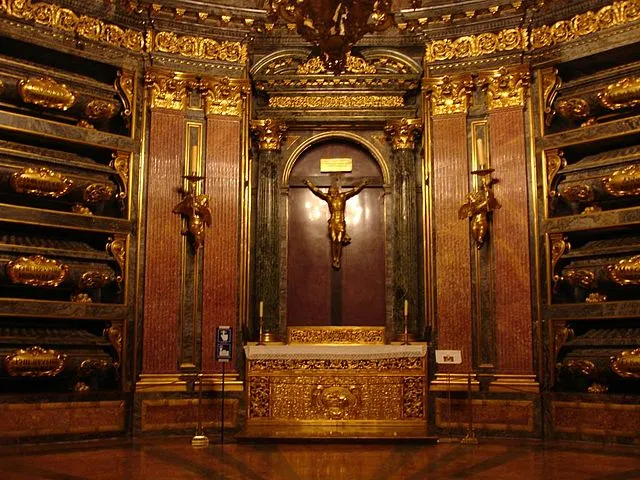
El Escorial offers staffed guidance and signposted paths. Many areas are accessible, though some historic stairways remain. Timed entry helps manage flow so spaces feel calm rather than crowded.
Service adjustments may occur for maintenance or special ceremonies. Check updates before traveling and ask on site for the best route for your needs.
Festivals and culture
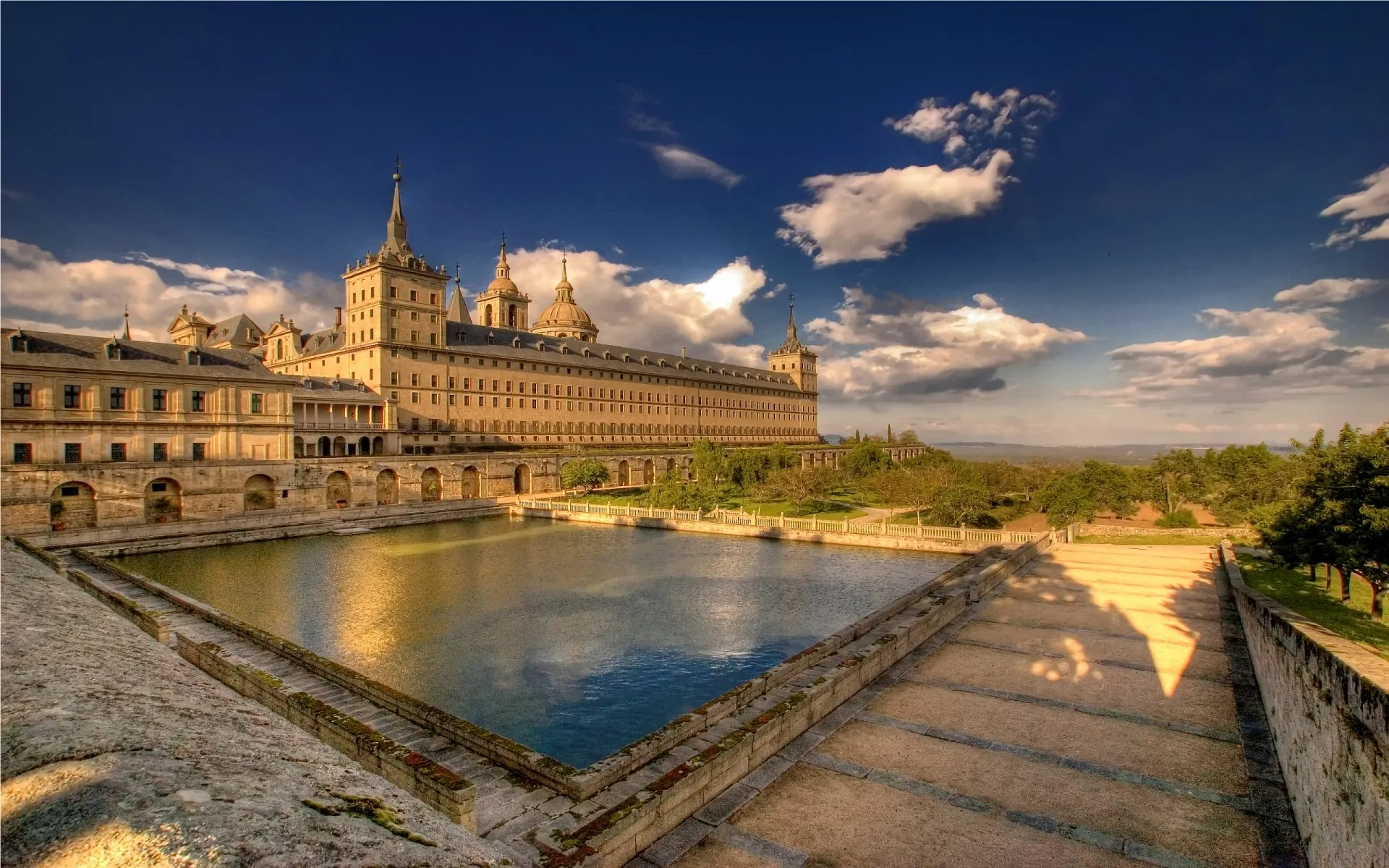
San Lorenzo de El Escorial hosts religious and cultural events, including music that resonates beautifully in the basilica’s acoustics. Town festivities add warmth and color to the sober granite backdrop.
Temporary exhibitions and special tours deepen the story. Ask about current programs when you book — they often enrich the visit with local voices.
Tickets, passes & tours
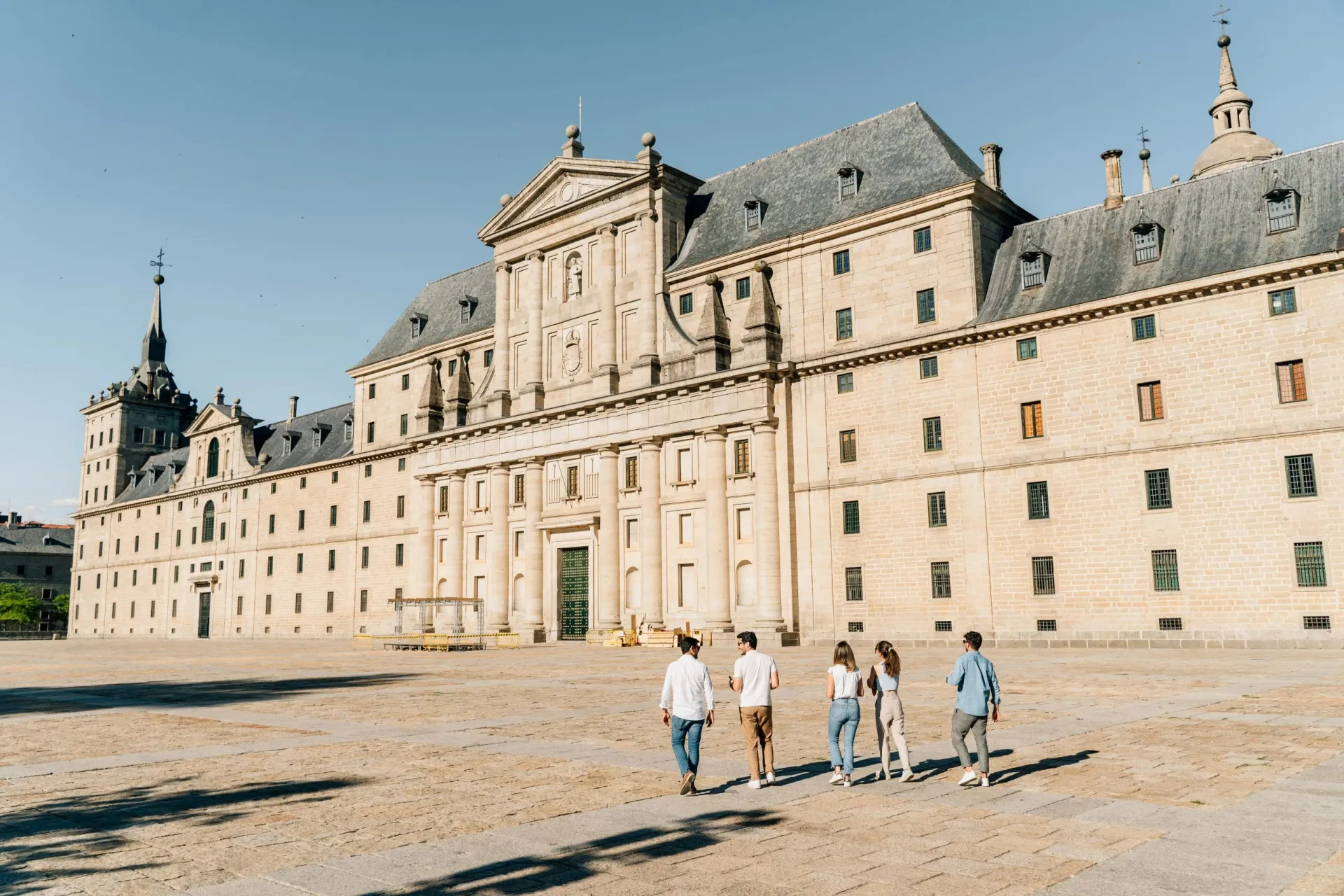
Book online to secure your preferred time. Guided tours clarify the route and highlight stories that might be missed when walking alone.
Check current options and any multi‑site passes offered by Patrimonio Nacional, noting that access policies and hours can change seasonally.
Preservation & sustainability
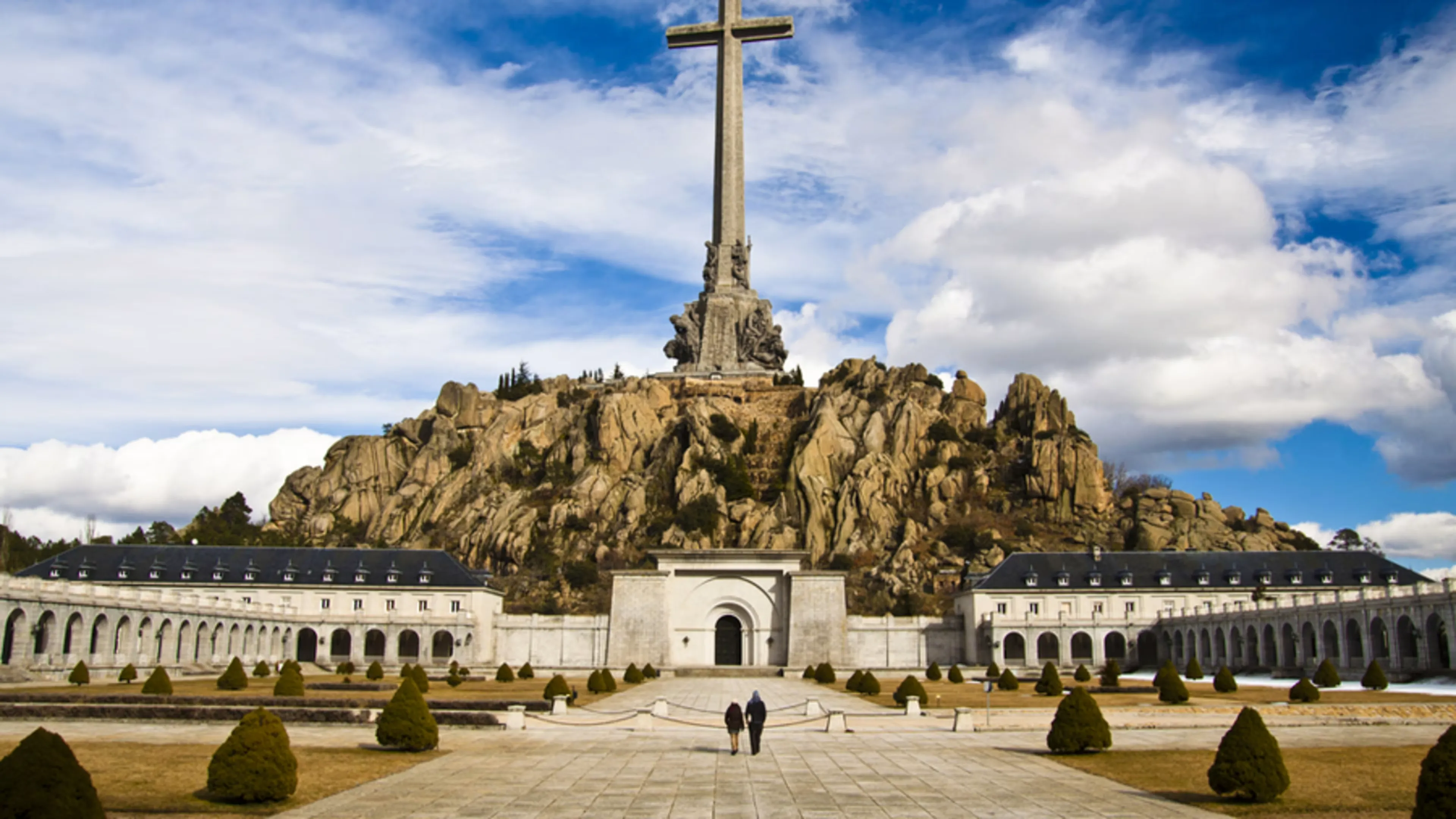
Heritage conservation protects both material and atmosphere — stone, wood, fresco, and the calibrated light that makes study possible. Staff manage climate and flow so your experience remains clear and comfortable.
Visitors help simply by booking responsibly, following guidance, and embracing a slower pace. In a monument built for reflection, patience becomes part of preservation.
Nearby hikes & viewpoints
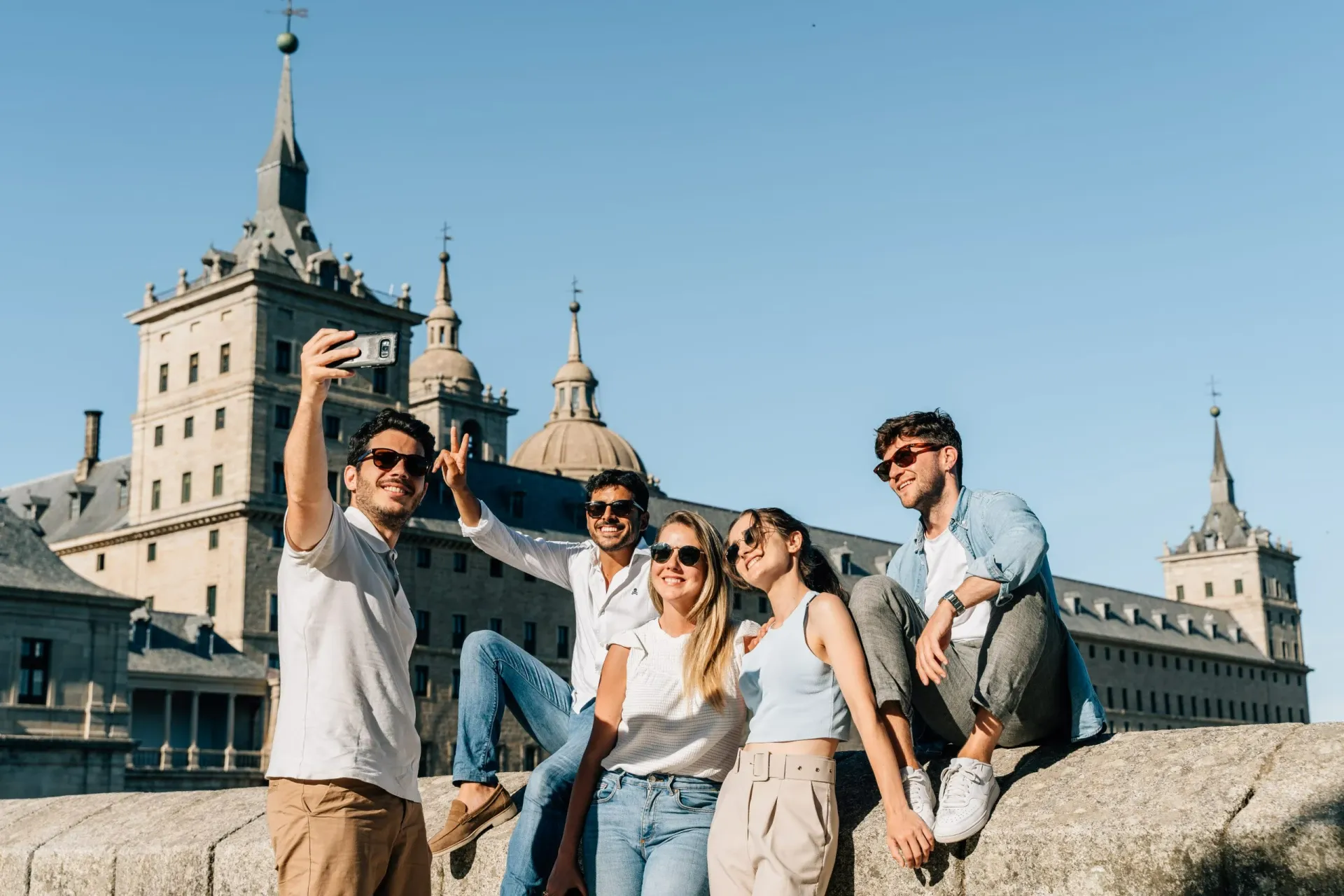
After your visit, consider the gentle hike to the Silla de Felipe II — a granite outcrop where the legend says the king contemplated the works. Whether history or myth, the view gathers monastery and mountains into one image.
The town offers gardens and smaller royal retreats, along with cafés to rest and reflect. It’s easy to let the day expand beyond the ticketed route.
Why El Escorial matters
Few places concentrate so much history with such restraint. El Escorial speaks softly about power — suggesting that authority, like architecture, is strongest when it serves rather than dazzles.
To walk its cloisters is to feel Spain’s story in the grain of stone: decisions made, prayers offered, knowledge collected, and memory kept for those who come after.
Table of Contents
Origins of El Escorial
In the mid‑16th century, Philip II imagined a place where monarchy, faith, and remembrance would stand side by side. Following victory at San Quentin — fought on St. Lawrence’s day — the king vowed to honor the saint and create a royal pantheon, monastery, and palace that would serve as a sober beacon for his realm. El Escorial rose on the slopes of the Sierra de Guadarrama, its granite chosen for endurance and clarity, with the first designs guided by Juan Bautista de Toledo and later refined by Juan de Herrera. Together they translated a vision into geometry: courtyards aligned, façades stripped of ornament, and a calm order that mirrors the ambitions and anxieties of a global empire.
Legend links the plan to St. Lawrence’s gridiron, and while scholars debate symbolism, the spirit of restraint is undisputed. El Escorial became a center not only of devotion but of learning and governance — a place where the crown contemplated eternity while administering the present. Its founding entwines politics and piety, memory and authority, offering visitors a chance to walk corridors where decisions were weighed in the balance of conscience and state.
Architecture and Herrerian style
El Escorial’s architecture speaks in measured lines. The Herrerian style — named for Juan de Herrera — embraces mathematical proportion and quiet surfaces, preferring balance to flourish. Granite walls stretch with minimal ornament, pierced by rectangular windows that repeat like notes in a chant. Above, slate‑tiled spires punctuate the skyline, and the basilica’s dome gathers the complex into a single, steady heartbeat.
Courtyards organize movement and meaning: the Courtyard of the Kings, the cloisters, the sequences that lead from palace to church. Inside, long galleries temper light, and the sense of enclosure invites reflection rather than spectacle. For many, the style feels stern; for others, it’s profoundly humane — a space carved for focus, humility, and the disciplines of knowledge and prayer.
Monastic life and ritual
El Escorial was conceived as a working monastery — a community of prayer framed by study and service. Bells marked the hours, and the rule structured the day: matins before dawn, labor and learning across long mornings, meals shared in silence or scripture, and evenings folded back into the rhythm of the church. Royal presence did not eclipse monastic purpose; it reshaped it, asking the cloister to hold both contemplation and ceremony.
Today, visitors feel the echo of that life in the corridors and chapels, in the careful pace of tours, and in the basilica’s measured acoustics. Even when groups pass, the space restores quiet quickly, as if it remembers how to gather attention and return it to the essential: breath, light, and the steady cadence of steps on stone.
Treasures: library and art
The Royal Library is El Escorial’s luminous mind. Frescoes arc overhead — philosophy, theology, music — painted to crown shelves of manuscripts gathered from across Europe and beyond. Arabic, Latin, Greek, and Spanish texts sit shoulder to shoulder, with globes and scientific instruments signaling a court that wanted to understand the world as well as govern it.
Art threads through the complex: paintings, liturgical objects, and the crafted details of doors, altars, and floors. Some works are devotional, others pedagogical; all contribute to the sense that beauty here serves clarity, guiding visitors without distraction toward the stories of kings and monks, of architects and artisans who bent materials to meaning.
Palace and basilica
Palace rooms chart the choreography of power — receptions, councils, private studies where papers became policy. Philip II’s bedroom, with its view toward the high altar, embodies the union of governance and devotion: a monarch close to the sacrament that steadied his choices.
The basilica anchors everything. Its nave draws the eye forward, and the dome gathers it upward, offering a space designed for ceremony and silence alike. Stand still and listen: you will hear the building’s proportions speak, inviting a pace that matches the architecture’s calm.
Craft, builders, and logistics
The making of El Escorial was itself an epic. Granite had to be quarried and hauled, timber cut and carried, slate set piece by piece on steep roofs. Architects modeled flows of people and sound, while stonemasons tuned joints until walls became instruments for light.
Craft here is invisible by design. The more precise the work, the calmer the experience: doors that swing without complaint, floors that guide steps, windows that soften the sun into study. The logistics of building a small city created the conditions for a large quiet — the monument’s most generous gift.
Travel routes and the sierra
Renfe Cercanías trains link Madrid’s core stations with El Escorial in under an hour, while Moncloa buses climb steadily toward the town’s granite streets. The final walk ushers you through cafés and small shops before the monastery appears like a horizon of stone.
Beyond the complex, trails and viewpoints — including the famed Silla de Felipe II — frame the monastery against the Sierra de Guadarrama. It’s worth pausing after your visit to see how landscape and architecture converse.
Safety & accessibility
El Escorial offers staffed guidance and signposted paths. Many areas are accessible, though some historic stairways remain. Timed entry helps manage flow so spaces feel calm rather than crowded.
Service adjustments may occur for maintenance or special ceremonies. Check updates before traveling and ask on site for the best route for your needs.
Festivals and culture
San Lorenzo de El Escorial hosts religious and cultural events, including music that resonates beautifully in the basilica’s acoustics. Town festivities add warmth and color to the sober granite backdrop.
Temporary exhibitions and special tours deepen the story. Ask about current programs when you book — they often enrich the visit with local voices.
Tickets, passes & tours
Book online to secure your preferred time. Guided tours clarify the route and highlight stories that might be missed when walking alone.
Check current options and any multi‑site passes offered by Patrimonio Nacional, noting that access policies and hours can change seasonally.
Preservation & sustainability
Heritage conservation protects both material and atmosphere — stone, wood, fresco, and the calibrated light that makes study possible. Staff manage climate and flow so your experience remains clear and comfortable.
Visitors help simply by booking responsibly, following guidance, and embracing a slower pace. In a monument built for reflection, patience becomes part of preservation.
Nearby hikes & viewpoints
After your visit, consider the gentle hike to the Silla de Felipe II — a granite outcrop where the legend says the king contemplated the works. Whether history or myth, the view gathers monastery and mountains into one image.
The town offers gardens and smaller royal retreats, along with cafés to rest and reflect. It’s easy to let the day expand beyond the ticketed route.
Why El Escorial matters
Few places concentrate so much history with such restraint. El Escorial speaks softly about power — suggesting that authority, like architecture, is strongest when it serves rather than dazzles.
To walk its cloisters is to feel Spain’s story in the grain of stone: decisions made, prayers offered, knowledge collected, and memory kept for those who come after.