وزٹ کا شیڈول10:00 AM – 07:00 PM
|اتوار, ستمبر 13, 2026Plaza de San Lorenzo, San Lorenzo de El Escorial, Madrid, Spain
واپس جائیں history
context
Philip II and El Escorial: Herrerian Style & Symbolism
Dive into the origins of El Escorial: Philip II’s intentions, Herrerian style, and the symbolism embedded in stone, courtyards, and chapels.
1/18/2026
17 min read
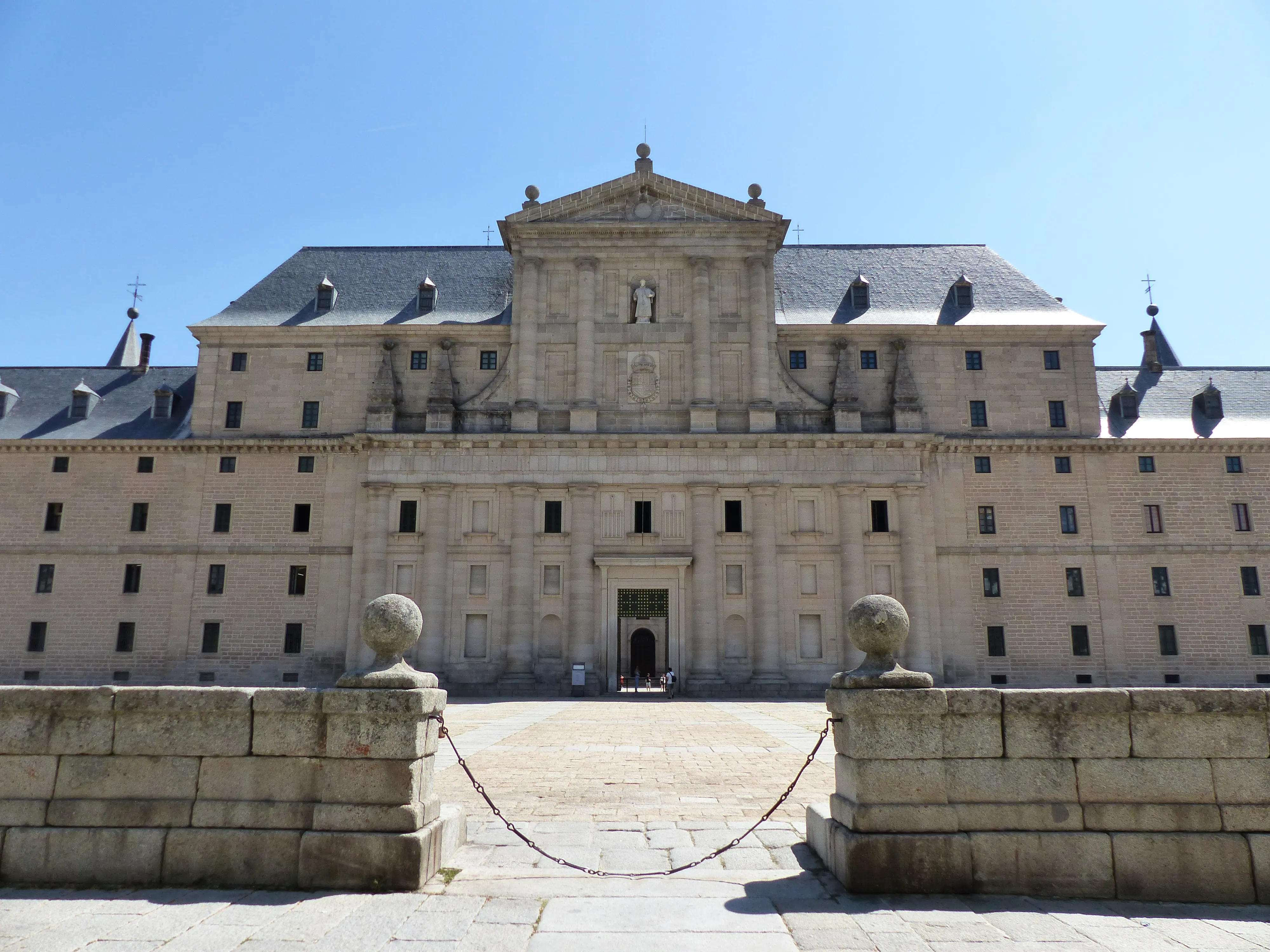
Herrerian means clarity: flat walls, minimal ornament, geometry that speaks in stone.
The Commission
- Patron: King Philip II (r. 1556–1598)
- Purpose: Royal pantheon, monastery, palace, and symbol of Catholic monarchy
- Architects: Juan Bautista de Toledo → Juan de Herrera
Why Here, Why This Style?
- The complex blends monastic discipline and royal representation.
- Herrerian style embraces clean lines, square towers, slate spires.
- The grid-like plan implies order, reason, and immovable faith.
A Reading of the Plan
| Element | Meaning | Experience |
|---|---|---|
| Courtyards | Monastic rhythm | Silence + stone |
| Basilica | Axis mundi | Vertical awe |
| Library | Memory | Knowledge under watch |
| Pantheon | Dynasty | Marble time |
Philip II’s Presence
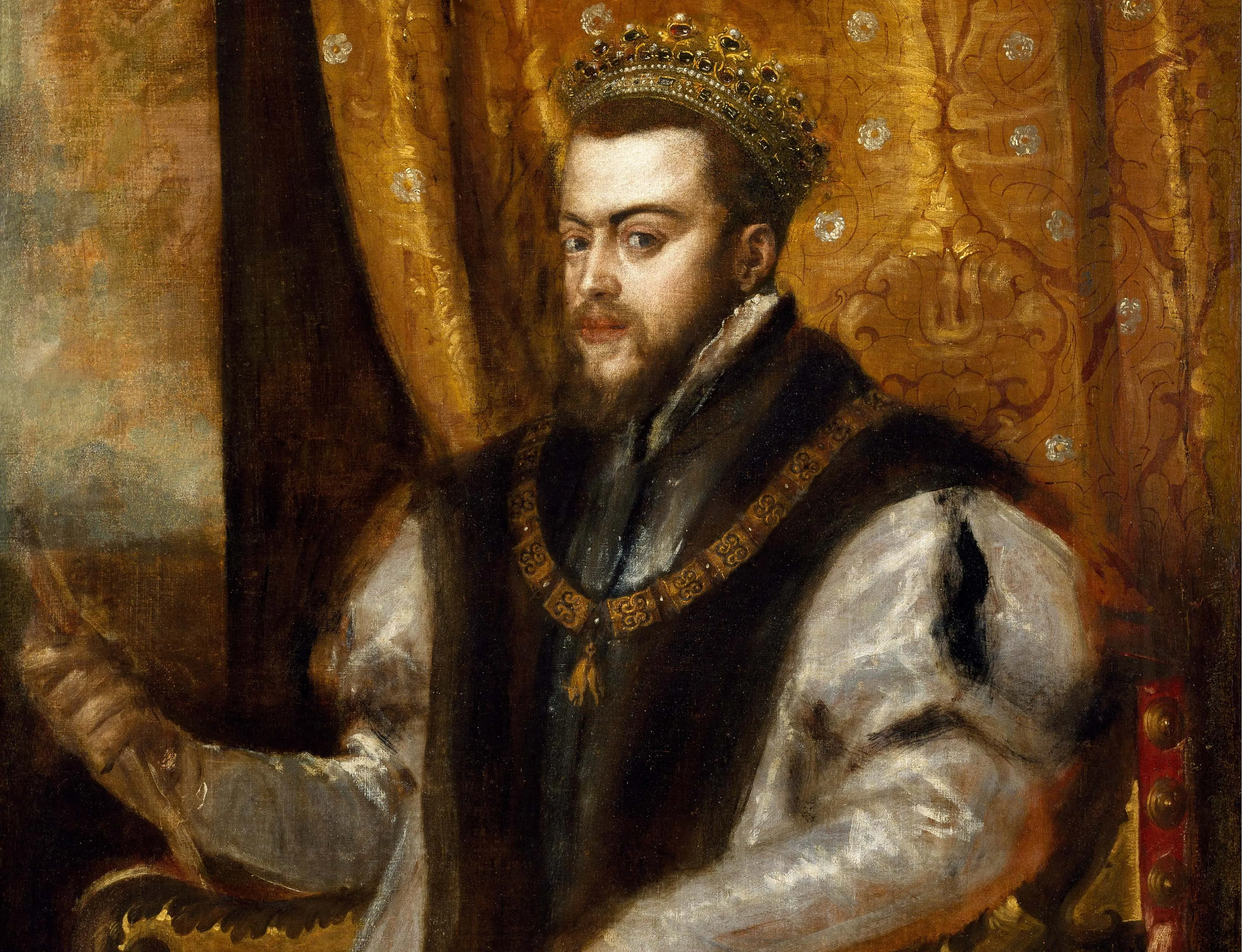
- The king’s modest bedroom faces the basilica, a literal alignment of power and piety.
- Documents reveal his obsession with precision in materials and liturgy.
"The stone is a catechism." — imagined motto for Herrera’s school of thought.
Building a Language of Stone
- Granite from nearby quarries; consistent color, long durability.
- Proportion over decoration; light as ornament.
- Discipline of repetition: windows, bays, towers keep rhythm.
Bottom Line
El Escorial’s beauty is the logic of its plan. To see it is to read a manifesto where faith and rule are set in right angle and slate.
مصنف کے بارے میں

Madrid Insider
یہ رہنما اس لیے ہے کہ ایل ایسکورئیال آپ کے لیے سادہ، باشعور اور پُرسکون بنے — جہاں تعمیرات یاد سے ملتی ہیں۔
Tags
El Escorial
Philip II
Herrerian
Architecture
Symbolism
Comments (0)
Leave a Comment
Loading comments...